บริษัท สยามเดนท์ จำกัด
ภาษาไทย TH

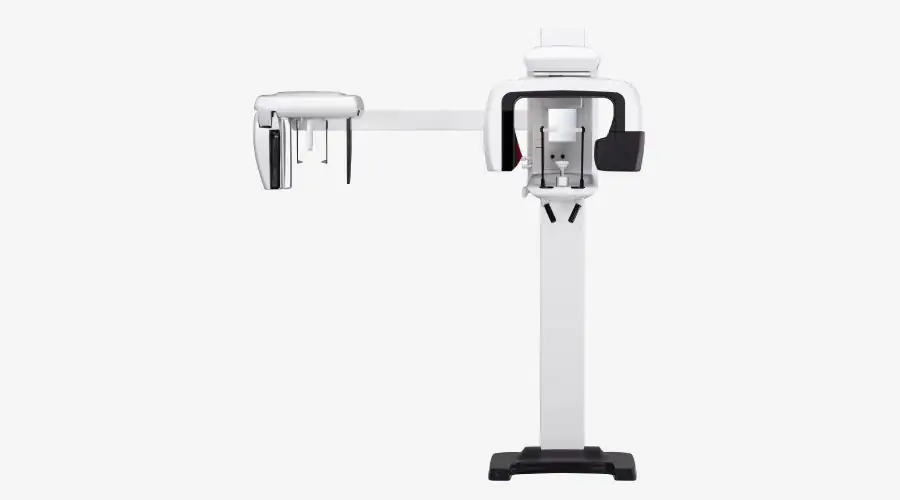
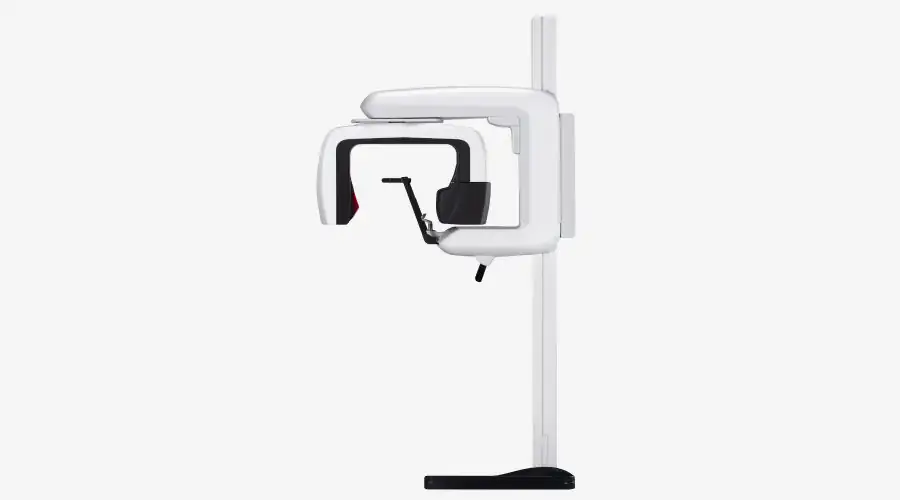
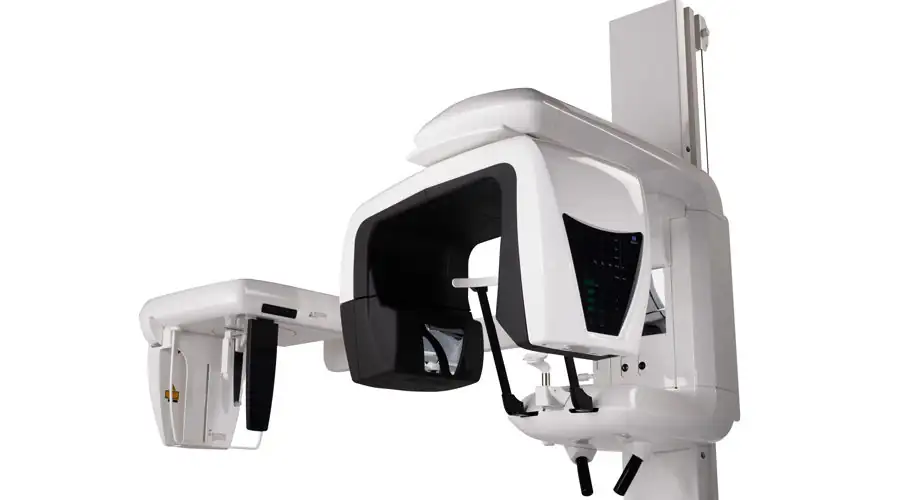
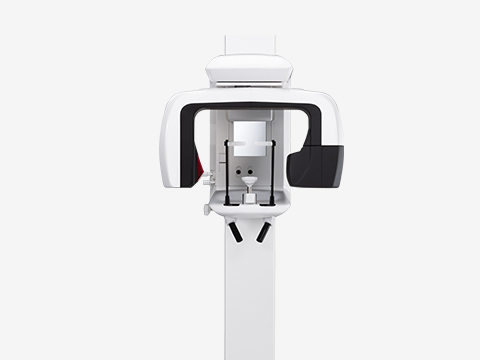
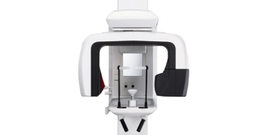
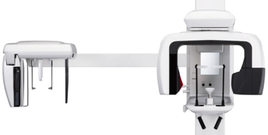
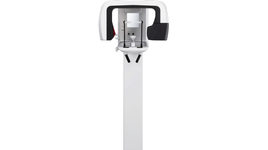
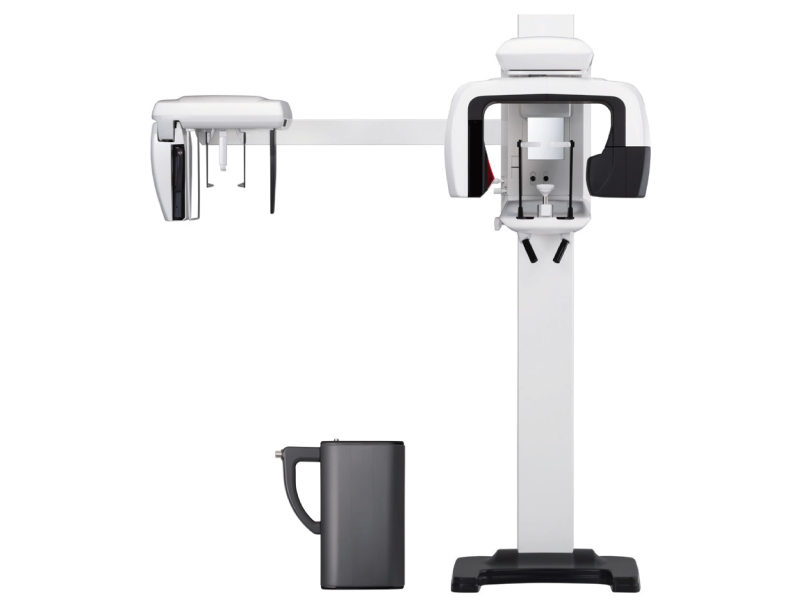
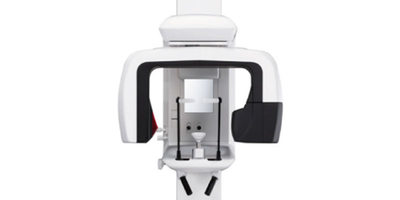
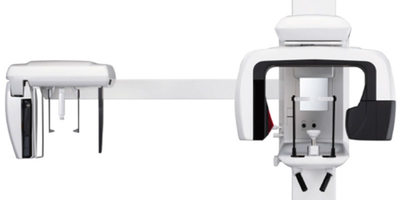
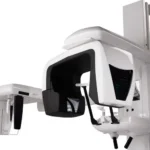
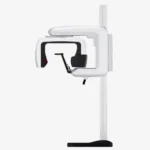
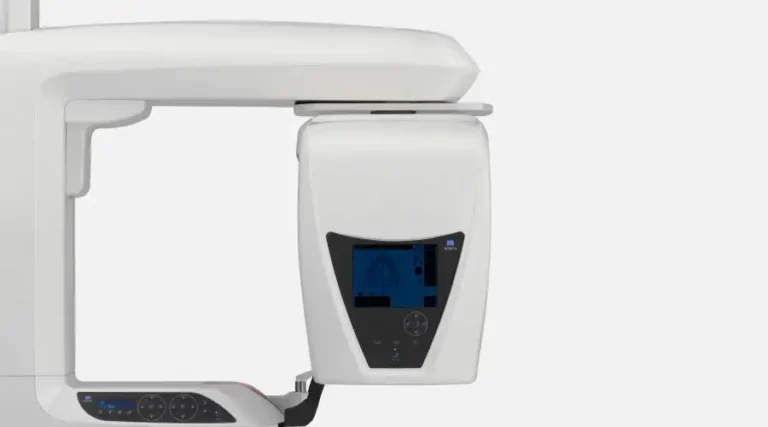
Veraviewepocs 2D

High quality images for an accurate diagnosis

รายละเอียด

กลุ่มสินค้า DIAGNOSTIC AND IMAGING
ข้อมูลสินค้า

High quality images for an accurate diagnosis


Specifications

รายละเอียดเพิ่มเติม

Highlights

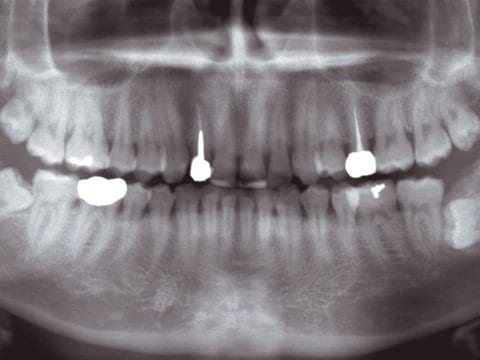
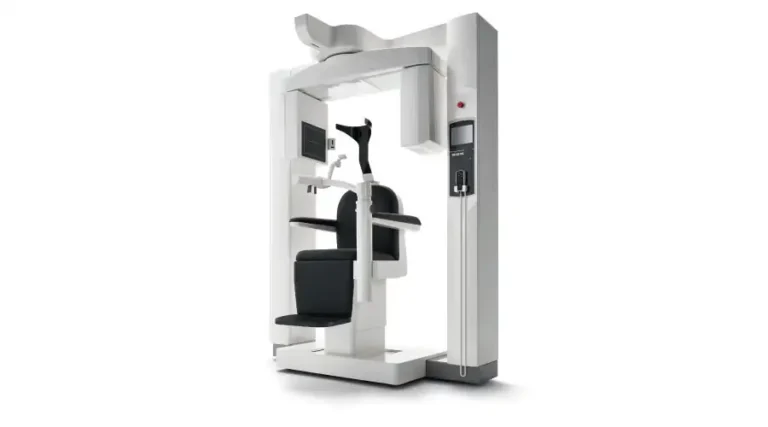
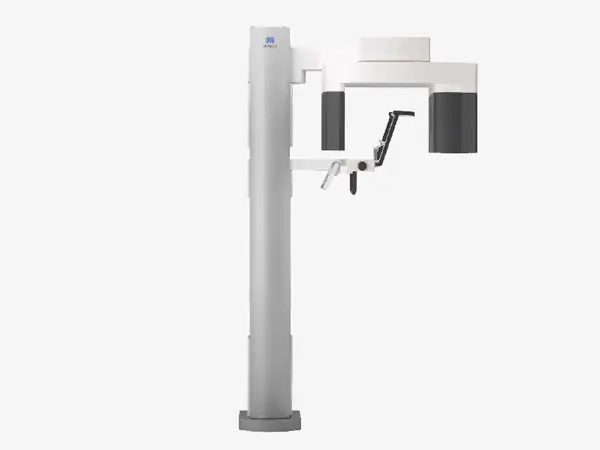
Extremely high image quality combined with minimal radiation exposure – this is what is offered by Morita’s Veraviewepocs 2D. The various programs offer a whole range of functions, as for example orthoradial- panoramic projections, which reduce the effect of overlapping of directly adjacent teeth in X-ray images. The shadow reduction panoramic imaging also serves to minimize shadowing effects caused by the ascending mandibular arch and optimal patient positioning made possible with the innovative technology - AF Automatic Positioning.
  • Fine or high speed mode
  • High quality images
  • Simple and comfortable patient’s positioning
  • Versatile in mode and design

Features

Fine or high speed mode
With high-speed to digital views:

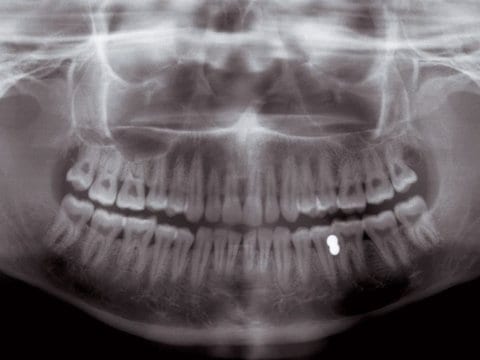
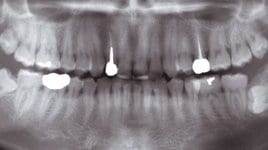
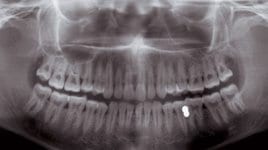
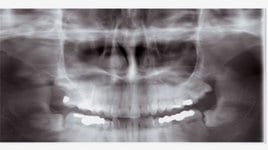
Digital Panoramic

Imaging exposure time only 7.4 seconds, thus only 1/4 of the radiation exposure incurred with traditional devices.
 

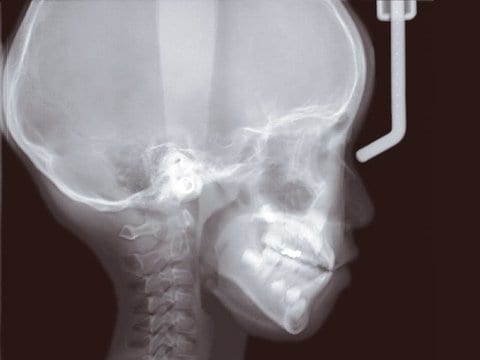
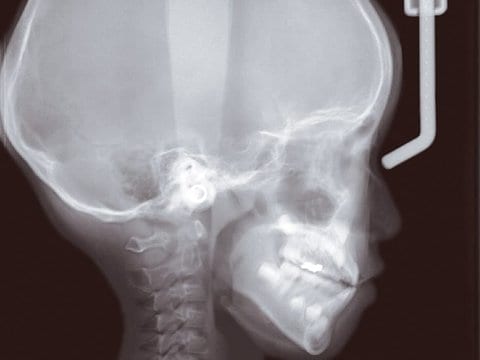
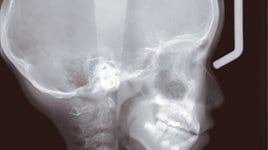
Digital cephalometric

Imaging exposure time approx. 4.9 seconds, thus only 1/10 of the radiation exposure incurred with traditional devices.
  High quality images
Super High Quality Image – The Veraviewepocs has high resolution even in Fine High Speed Mode. The resulting image has high resolution, with superbdensity and contrast. Digital Direct AE (automatic exposure) and Automatic Image Enhancer always obtains the optimal image.

Digital Direct Automatic Exposure (DDAE)

DDAE controls the X-ray tube voltage (kV) and current (mA) simultaneously by detecting X-rays passing through the patient. This improves the dynamic range, and, along with Automatic Exposure (AE), results in exceptionally clear images with the best possible contrast and even density. The automatic exposure level can be adjusted to meet your individual requirements.

Automatic Image Enhancer (AIE)

Automatic Image Enhancer enhances the details that can be observed in areas which are either extremely white or extremely black. DDAE and AIE perform a logarithmic conversion to produce the highest quality image possible.
Conventional Image
Automatic Image Enhancer
 

High Resolution

Fine High Speed Mode: Pixel size is reduced to 25% compared with the former model, so it produces superior images of a higher resolution.
  • Pixel size Fine High Speed Mode: 144 µm
  • Pixel size Super Fine Mode: 96 µm
Simple and comfortable patient’s positioning  
Easy, optimal patient positioning made possible with innovative technology.

AF Automatic Positioning

The Light beam sensor automatically positions the C-arm without the patient having to move. It then measures the distance to the patient's anterior teeth and AF automatically moves the C-arm into the optimum position. This creates images with a high degree of reproducibility.

Power-Assisted Movement: C-arm is Lined Up to the Patient

The electric motor of Veraviewepocs 2D enables convenient lift movement for smooth slow-starts and slow-stops. It is equipped with an automatic overload stop function for safety. In addition, the C-arm is lined up to the patient for easier patient positioning. Since the arm moves back and forth to line up with the patient, the patient does not have to move and can maintain a comfortable posture.

3 Laser Beams for Accurate Positioning

The patient‘s position is checked with the triple laser beams: the frankfurt plane beam, the sagittal plane beam, and the image layer beam for accurate positioning. The carbon temple stabilizing rods absorb almost no X-radiation and reduce the shadow of the rods in the image. The chin rest can be set at three different heights.

Wheelchair Support

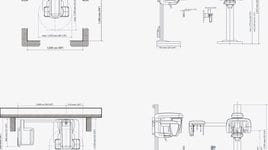
The Veraviewepocs 2D offers a width of up to 480 mm to accommodate patients in wheelchairs. For patients with a wheel chair span greater than 480 mm, there is an optional wallmounted version available.
  Versatile in mode and design  
Multi-projections fit a variety of purposes. Consistent magnification is maintained throughout the image.
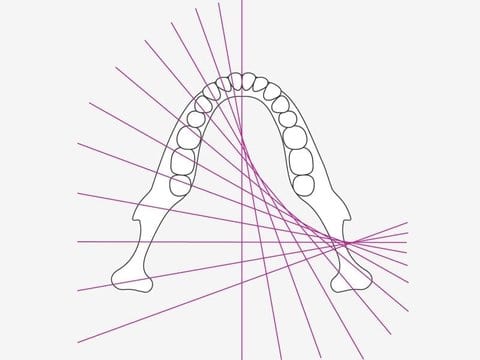
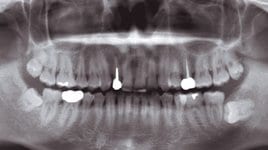
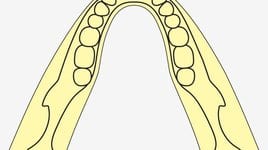
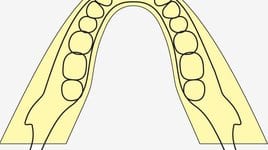
Standard Panoramic
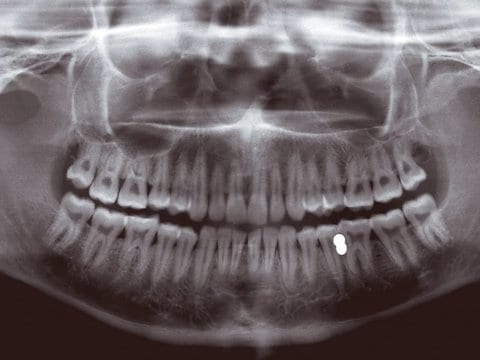
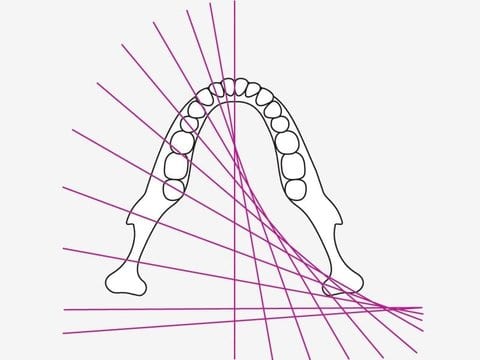
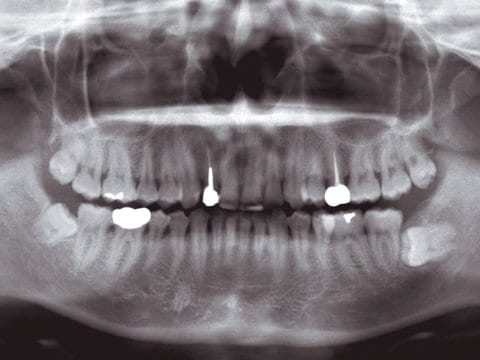
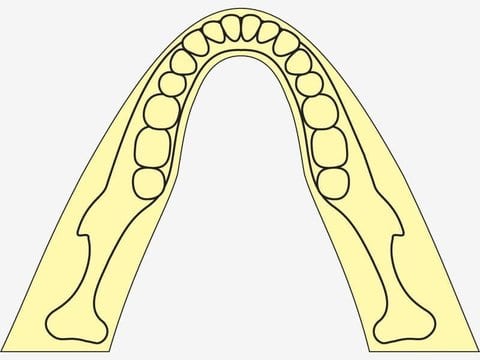
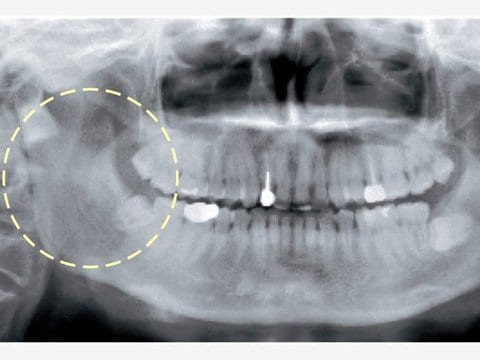
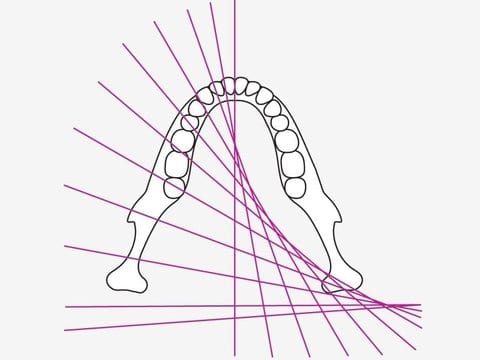
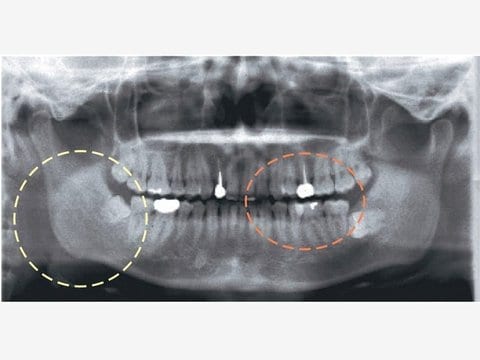
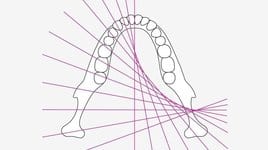
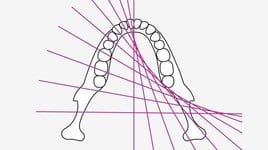
Shadow Reduction Panoramic
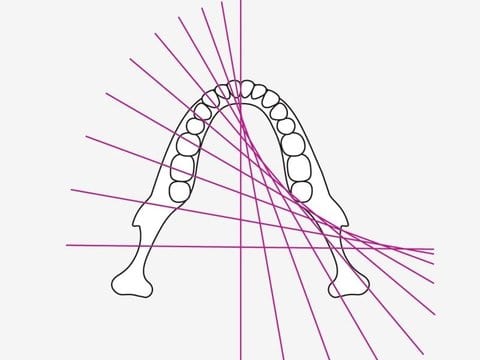
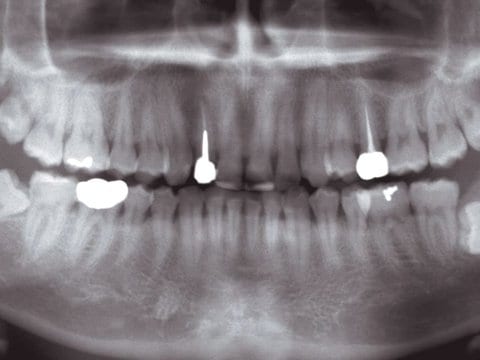
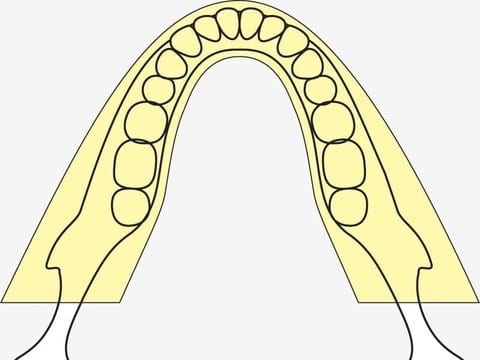
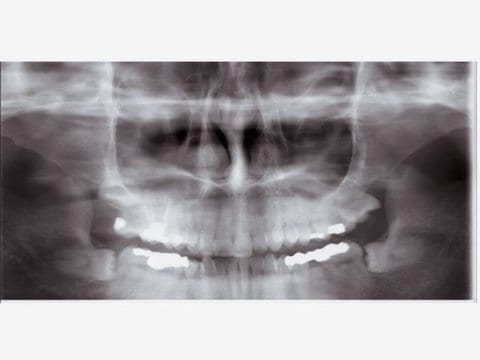
Orthoradial Panoramic
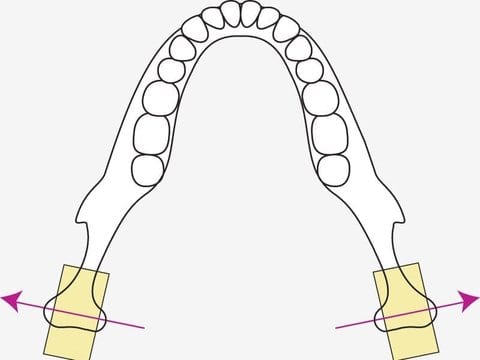
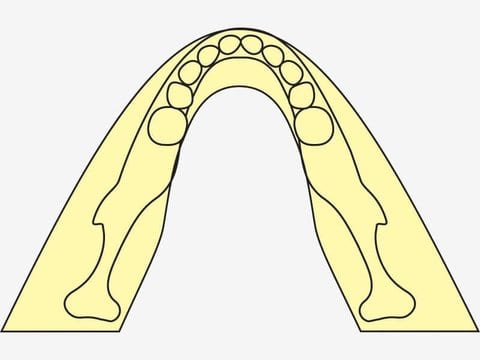
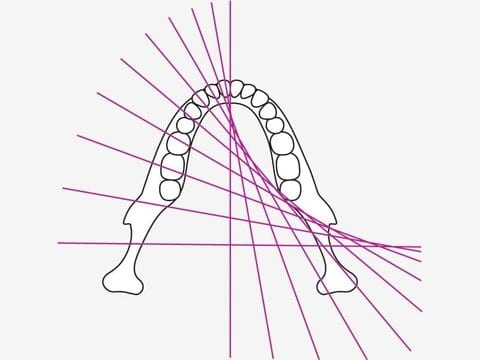
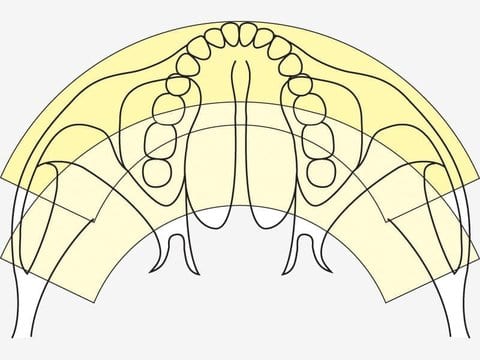
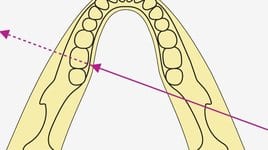
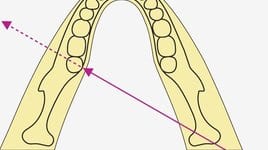
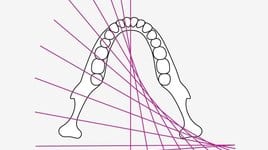
Distance from the X-ray tube to the patient is consistent, providing uniform magnification. In this way the overlapping of neighboring teeth or the shadow on the mandibular ramus is reduced, providing optimal results for jaw exposures.

A) Digital Panoramic

Standard Panoramic, Mag.: 1.3 x constant
The thick / specially-designed image layer accommodates all the possible variations of dental arch shapes and sizes to produce extremely clear and sharp images.
 
Standard Panoramic, Mag.: 1.6 x constant
The X-ray image is enlarged by a factor of 1.6 – the best prerequisite for an even better diagnosis.
 
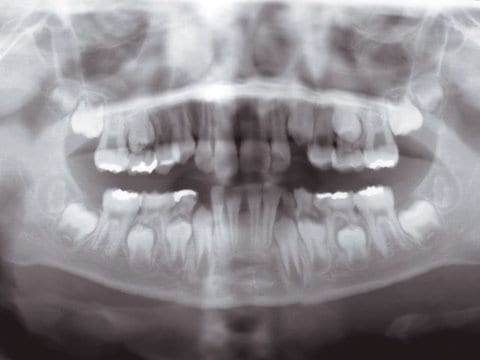
Pedodontic Panoramic, Mag.: 1.3 x constant (Mag.: 1.6 x is also available)
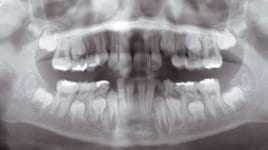
For children or people with small jaws. The arm‘s rotation range is reduced, and thus lessens the X-radiation.
 
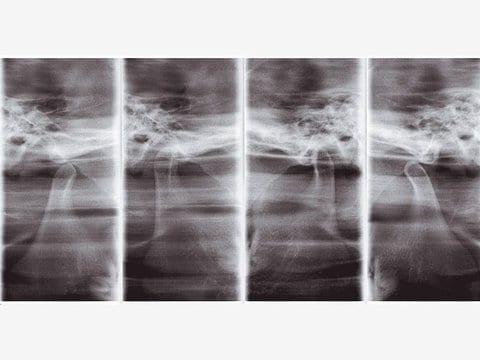
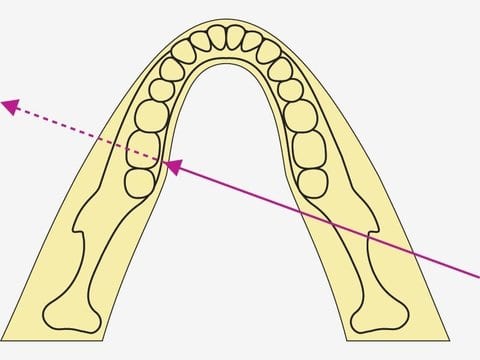
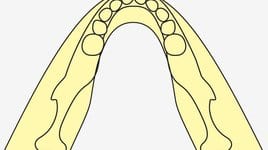
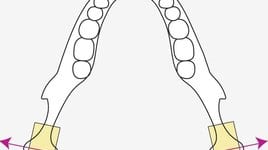
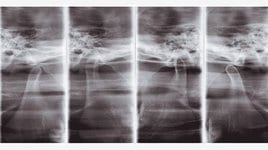
TMJ 4 Views, Mag.: 1.3 x constant
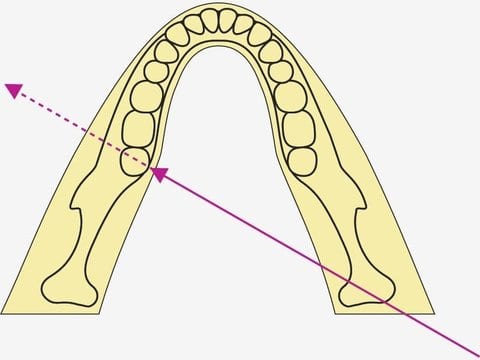
Sharp, clear images of the TMJ are produced by aligning the angle of X-ray penetration with the longitudinal axis of the mandibular condyle head.
 
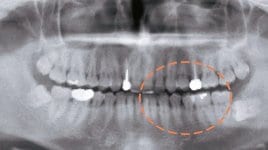
Orthoradial Panoramic, Mag.:1.3 x constant (Mag.: 1.6 x is also available)
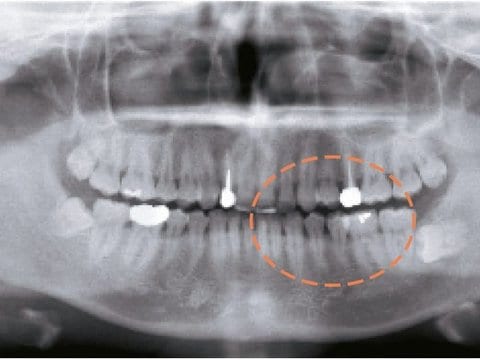
The perpendicular projection of the X-ray reduces the amount of overlapping with emphasis on the maxillar bicuspid region.
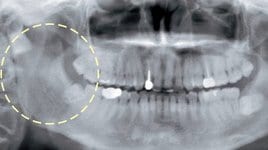
Shadow Reduction Panoramic, Mag.:1.3 x constant (Mag.: 1.6 x is also available)
Produces images with less mandibular ramus shadow.
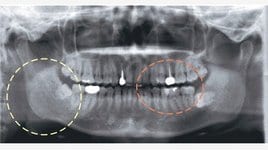
Please compare: Orthoradial Panoramic, shadow reduction panoramic, and standard panoramic are taken for the same patient.
Here would be changed the X-ray projection angle – and not the image layer orbit. In this way the overlapping of neighboring teeth or the shadow on the mandibular ramus is reduced. These images are good for diagnosis of dento-maxillo facial areas.
Standard Panoramic, Mag.: 1.3 x constant
  • Orthoradial panoramic for better observation of interproximal spaces
  • Shadow reduction panoramic for better observation of jaw
Maxillary Sinus Panoramic, posterior Mag.: 1.5 x constant
Clear Images of the Maxillary Sinus Region.
 

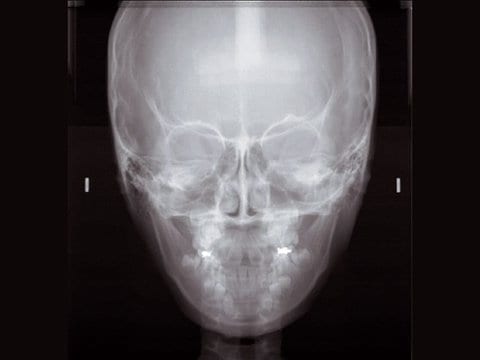
B) Digital Cephalometric

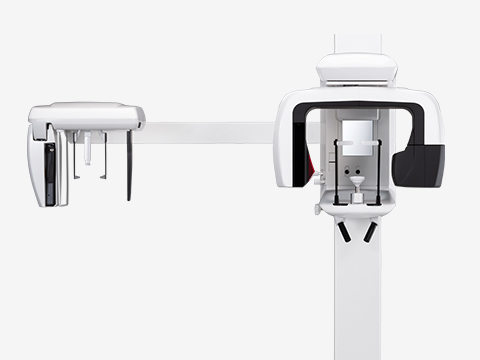
The following programs in the Ceph version are available:
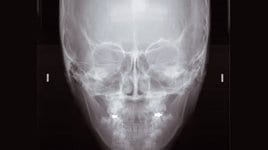
  • posterior-anterior
  • lateral
  • Handwrist radiograph
 
 
Digital cephalometric – superfast, gentle and economical
The Veraviewepocs System offers high speed performance requiring only 4.9 seconds for a cephalometric scan. The speed helps ensure high quality images each and every time. For pediatric patients, the reduced scan time is especially helpful as repeat images due to patient movement is virtually eliminated.
  • High quality image with wide dynamic range You obtain far more information about hard and soft tissue – with just a single acquisition.
  • Imaging process can be completed within 20 seconds
  • A single digital cassette for panoramic and cephalometric A brand-new development: our special high-resolution CCD sensor with a height of 225 mm now makes digital cephalometric possible! Simply insert the new digital cassette and remove it again. One digital cassette can be used for both digital panoramic and digital cephalometric imaging.
  • Variable image processing capabilities The variable image processing technique generated optimum grayscale values – by offering different cassette running speeds for hard and soft tissue.
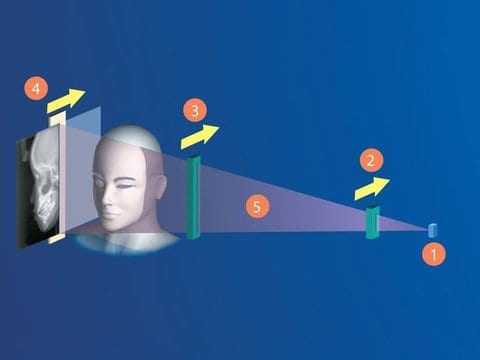
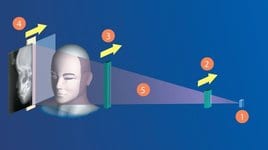
  1. Focal spot of X-ray tube
  2. Primary slit
  3. Secondary slit
  4. CCD sensor
  5. X-ray beam
 

Media

Images

Digital Panoramic view Veraviewepocs 2D Veraviewepocs 2D CP Automatic Image Enhancer (AIE) Conventional Image Automatic Image Enhancer Wheelchair Support - optional wallmounted version Shadow Reduction Panoramic Orthoradial Panoramic Digital Panoramic - Standard Panoramic, Mag.: 1.3 x constant Product sizes Digital Panoramic - Standard Panoramic, Mag.: 1.6 x constant Digital Panoramic - Pedodontic Panoramic Digital Panoramic - Pedodontic Panoramic Digital Panoramic - TMJ 4 Views, Mag.: 1.3 x constant Digital Panoramic - TMJ 4 Views, Mag.: 1.3 x constant Orthoradial Panoramic, Mag.:1.3 x constant Orthoradial Panoramic, Mag.:1.3 x constant Orthoradial Panoramic, Mag.:1.3 x constant Shadow Reduction Panoramic, Mag.:1.3 x constant Shadow Reduction Panoramic, Mag.:1.3 x constant Shadow Reduction Panoramic, Mag.:1.3 x constant Standard Panoramic, Mag.: 1.3 x constant Maxillary Sinus Panoramic, posterior Mag.: 1.5 x constant Maxillary Sinus Panoramic, posterior Mag.: 1.5 x constant Variable image processing capabilities

Configuration

Models

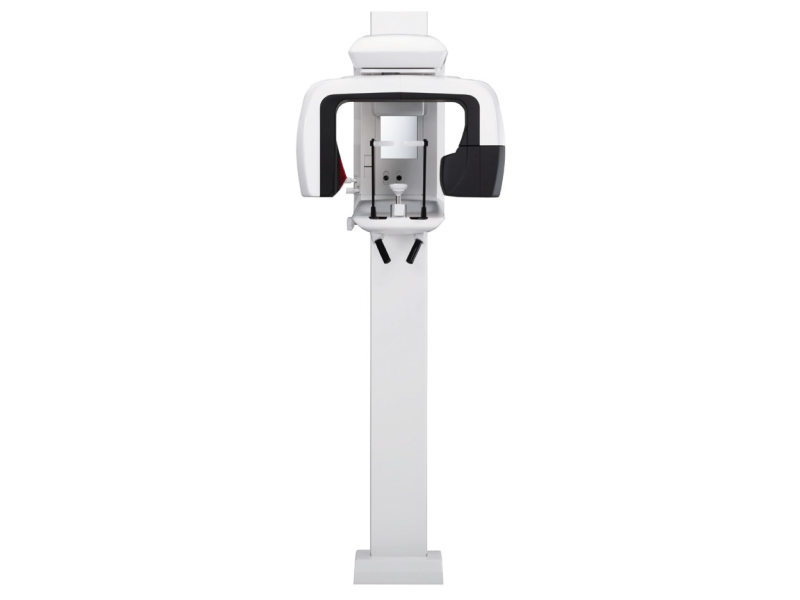
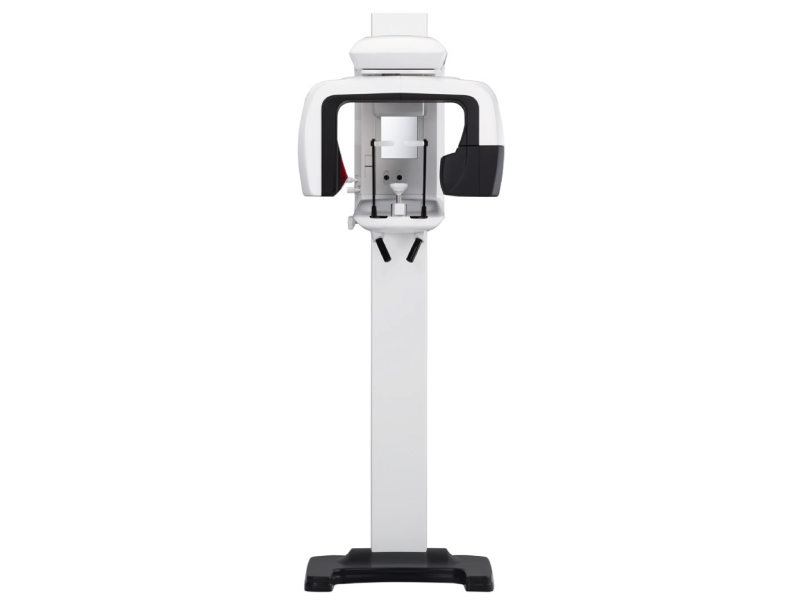
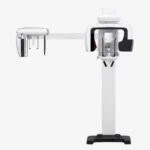
Panorama / Cephalometric small base

Panorama standard base


Cephalometric standard base

Technical_details

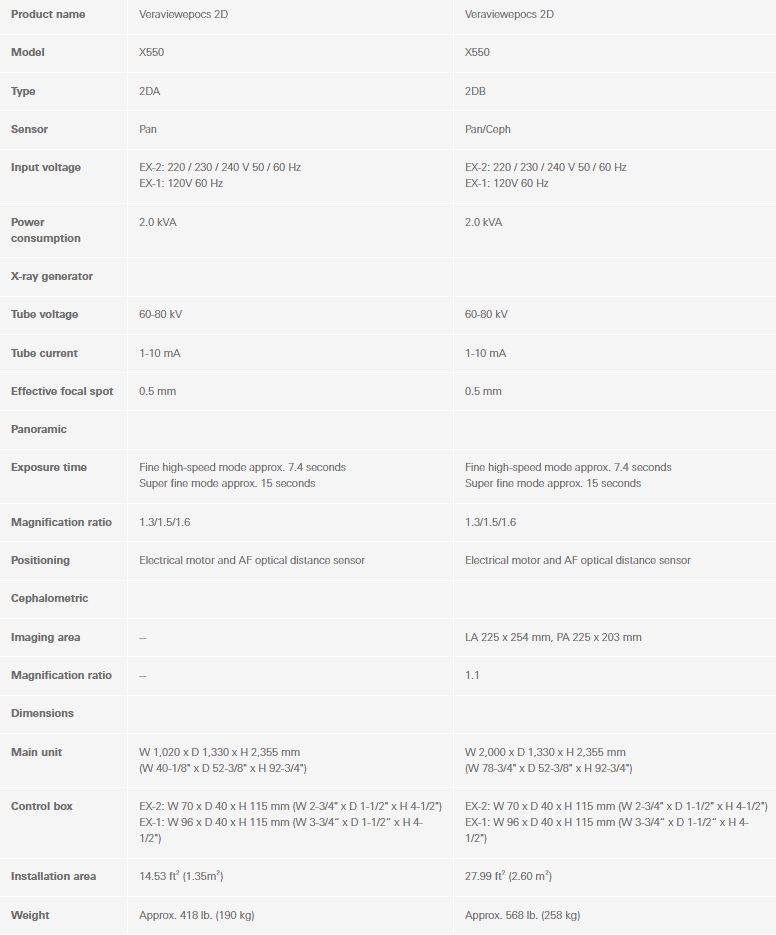
Specifications

  Panoramic   Panoramic / Cephalometric