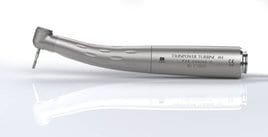
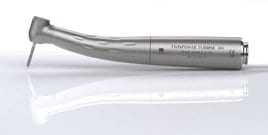
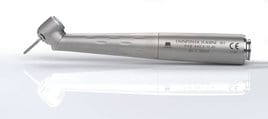
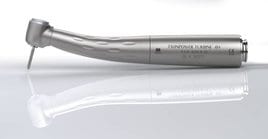
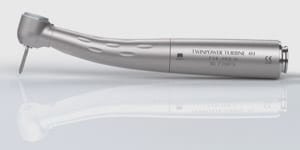
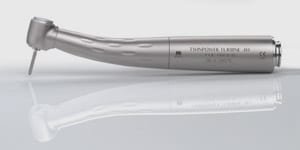
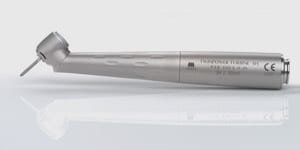
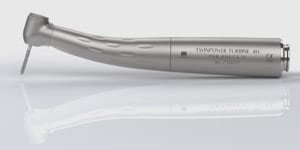
TwinPower Turbine

Small. High-powered. Unique.

Details

Product Category HANDPIECES AND INSTRUMENTS
Product Information

Small. High-powered. Unique.


Specifications

More Details

Highlights

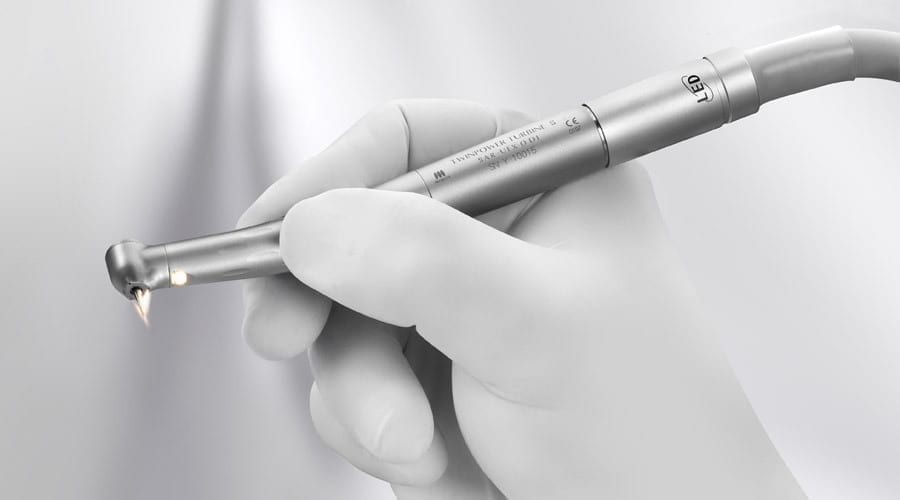
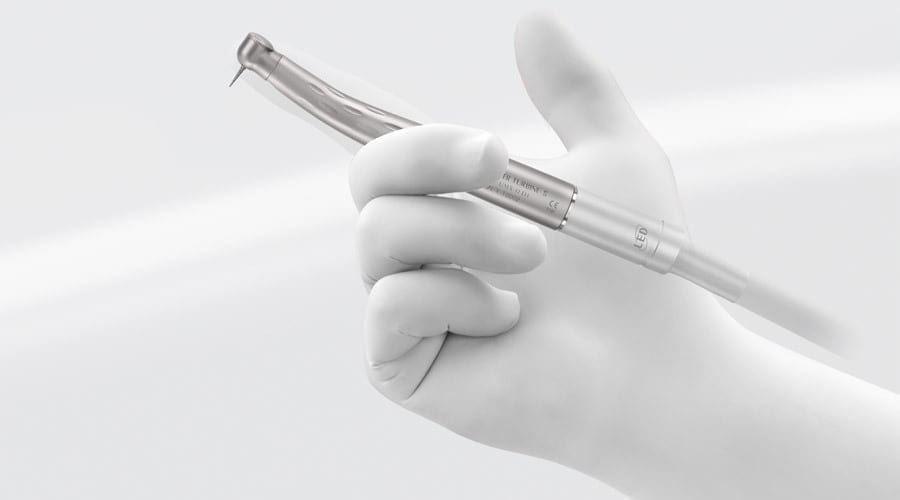
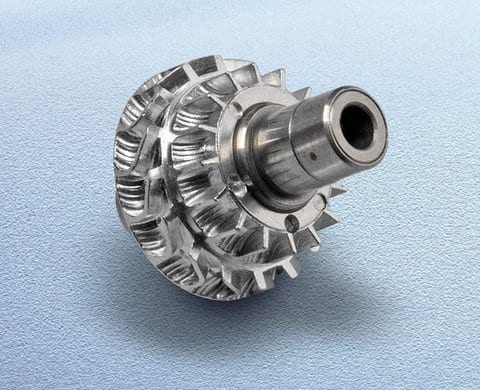
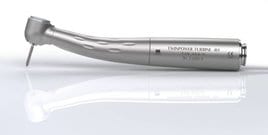
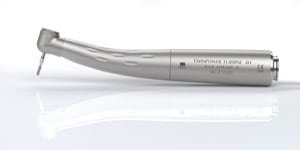
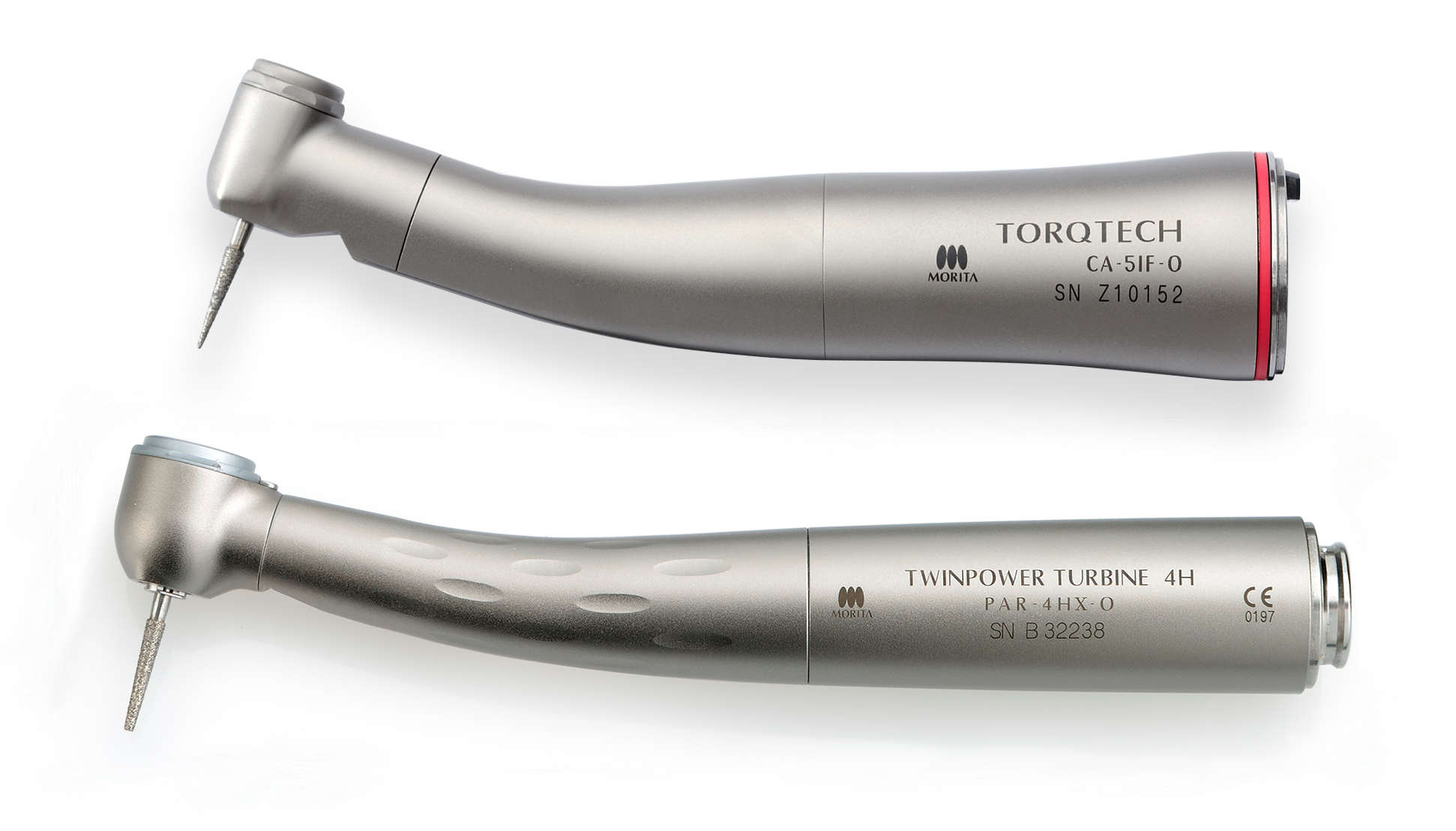
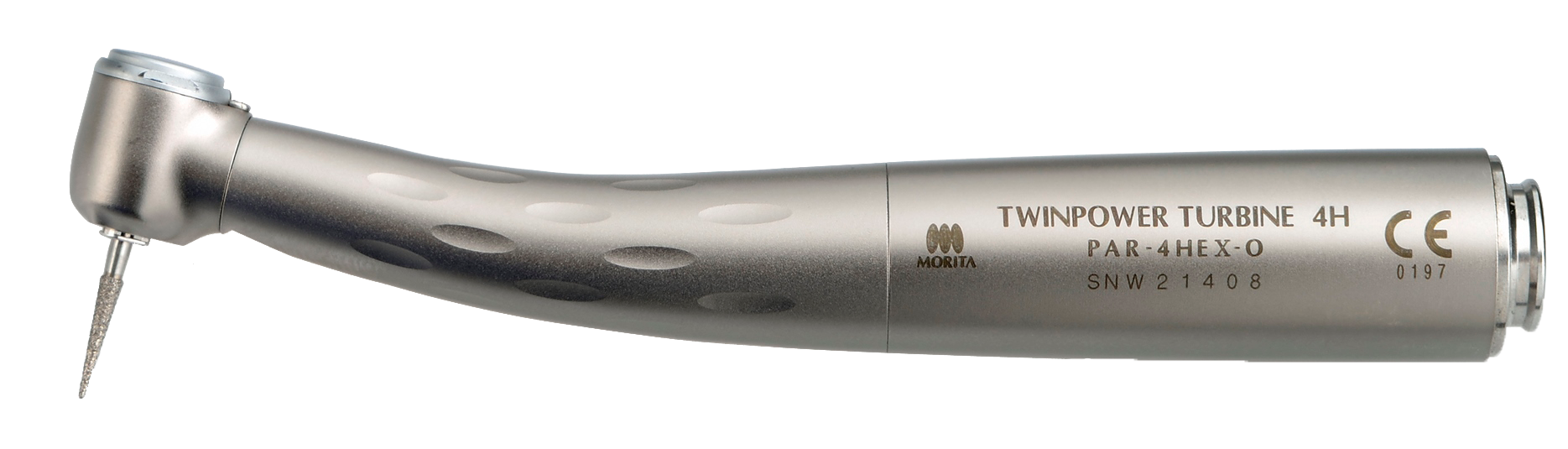
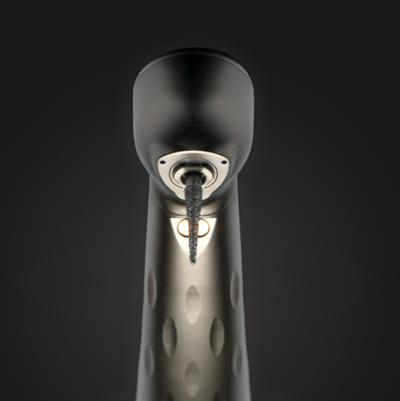
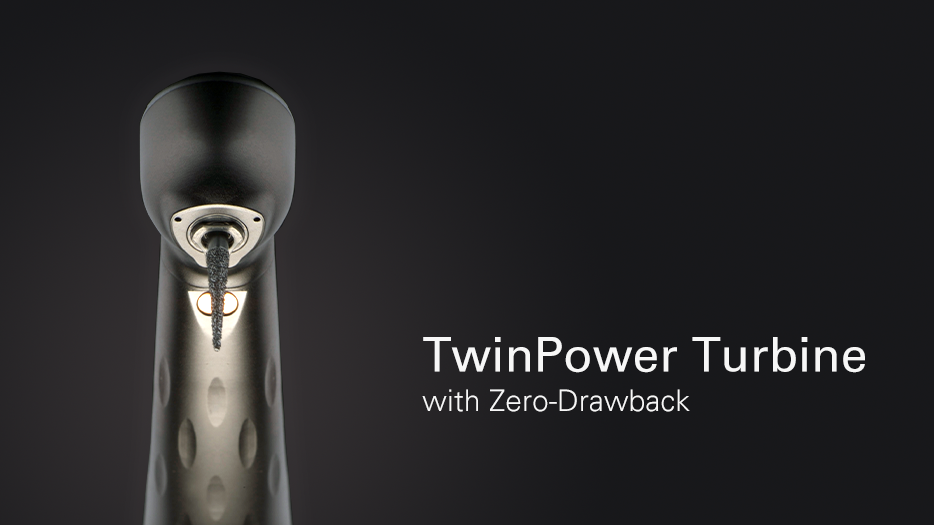
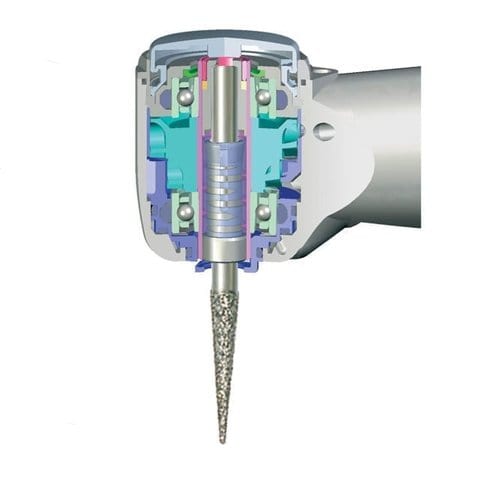
Our TwinPower turbines ergonomically combine form and function. The hallmarks of the TwinPower Turbine is its innovative and unique double impeller which provides high-power in a small package. All TwinPower turbines come standard with Zero-Drawback technology which prevents aerosol intake and sets a new standard in infection control. Combined with ergonomic, light weight designs, our TwinPower turbines allow for silky smooth and rapid procedures, for you and your patients.
 

Features

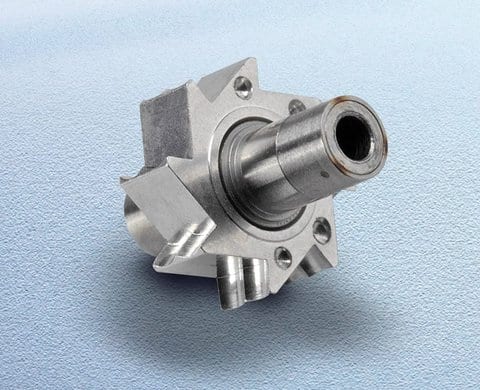
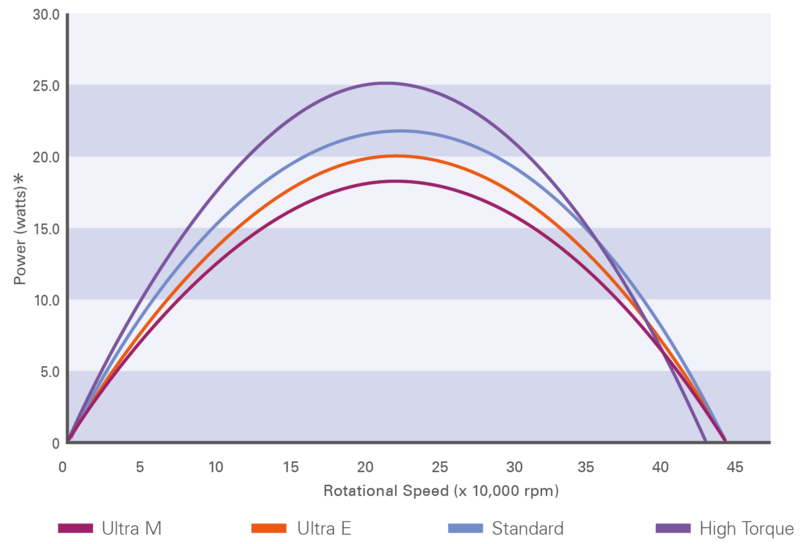
Unique double-impeller technology The unique double impeller heightens torque by up to 50 percent, and improves torque stability – including under high levels of strain. The device's steady removal power promotes silky smooth preparation, with substantially greater precision. Even the Ultramini series, with their only nine millimeter in diameter heads, deliver a unique preparation power ranging up to 20 watts. The air from the drive nozzles drives the primary impeller. The exhaust air is channeled via ribs and drives the second impeller. The result: extremely high and steady torque, even under a load. This unique design produces 18W of power for the Ultra M, 20W for Ultra E, 22W for Standard, and 25W* for the High Torque series. Cuts smoothly through ceramic and metal prostheses with ease. * Power measurements are based on ISO 14457:2017. TwinPower Turbine 4H: Measured at a pressure of 0.29MPa at the handpiece itself. Quick-stop system Thanks to the unique and patented quick-stop system, tooth preparation with TwinPower becomes more precise, and your patients experience greater comfort during treatment. This in turn also reduces the risk of injury. The unique TwinPower Plus quick-stop system enables the turbine to stop in only two seconds without any jolts or hesitation. This in turn promotes tooth preparation accuracy and efficiency. Zero-Drawback effect The Zero-Drawback effect promotes optimal hygiene:
  1. The drive air flows into an anti-drawback diffuser (ADBD) that is located inside the impeller capsule. The ADBD builds up air pressure supplied by the drive air.
  2. The rotation and centrifugal force enable the air to flow into the ADBD, where it remains compressed – even after the drive air stops.
  3. The compressed air in the ADBD is expelled on the lower side of the head.
  4. The exhaust air is also expelled by the impeller on the lower side of the head, via the ADBD.
  5. The air pressure that builds up in the ADBD prevents pressure loss in the head, thus completely eliminating the drawback effect.
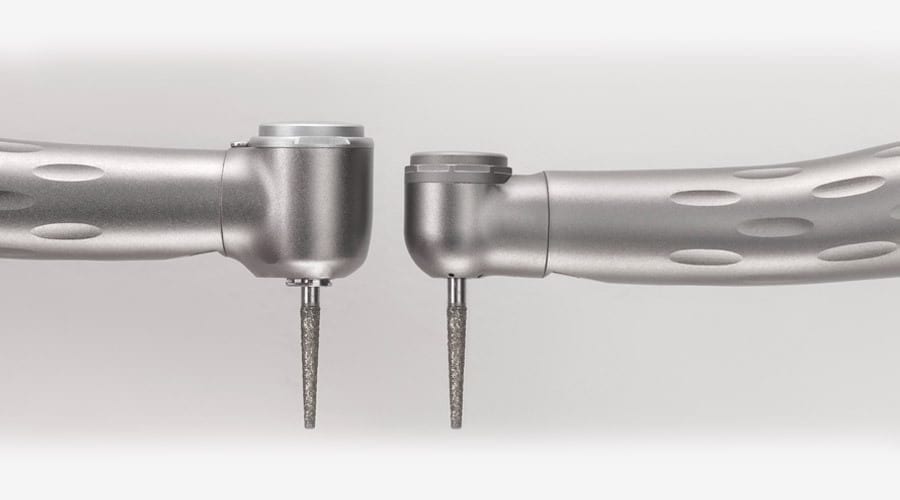
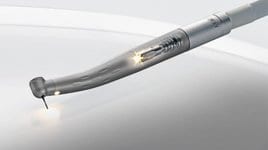
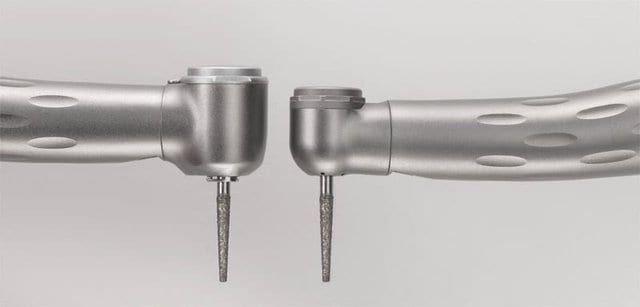
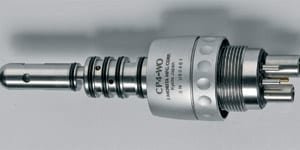
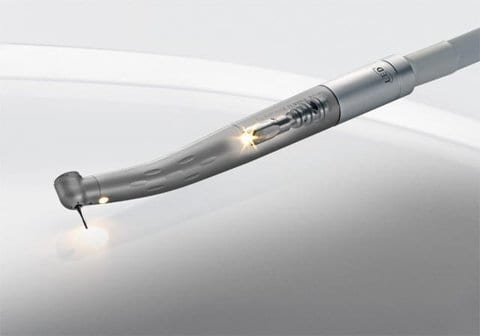
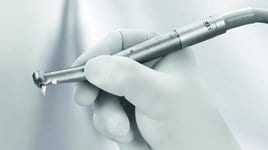
Compact turbine heads The small instrument heads of the Ultra series with a diameter of 9 mm provide not only a clear and direct view of your work area but also sufficient room for movement when treating molars. The head angle of 15° adds to treatment comfort. For this reason these turbines are particularly suitable for dental work on children and older patients as both these age-groups have difficulty opening their mouths very wide. Compatible coupling system The new coupling system in the TwinPower turbines is also compatible with devices made by other manufacturers. To find your coupling system, click on the following link. Comfortable even during intensive use Thanks to their compact and lightweight design, our TwinPower turbines deliver outstanding operating comfort, even when used intensively. Their extremely light weight (only 50 grams) reduces strain on the hand and finger muscles and tendons. Quiet operation The latest advances in fluid dynamics eliminate the highly uncomfortable noise generated by high speed turbines that operate in the 6 to 7 kHz range. As a result, preparation work with the turbine is quieter and more agreeable for both the dental practice team as well as the patient. Uncomfortably cold air at the preparation point is now a thing of the past Excess drive air is channeled sideways almost imperceptibly, in order to spare the patient the normally uncomfortable sensation engendered by the stream of cold air from the turbine handpiece. Neither patients nor the practice team experience any unpleasant sensation of cold at the preparation point. Fiberglass light guide The fiberglass light guide guarantees a constant brightness (25,000 lux) and significantly improved stability even after countless sterilization cycles in the autoclave (135° C). Push-button clamping system The easy to handle and highly precise metal clamping system ensures that preparation instruments remain in place. At the same time, the push-button clamping system has been designed and endurance tested for a long service life.
Media

Images

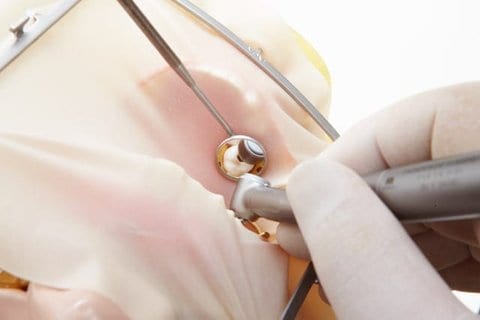
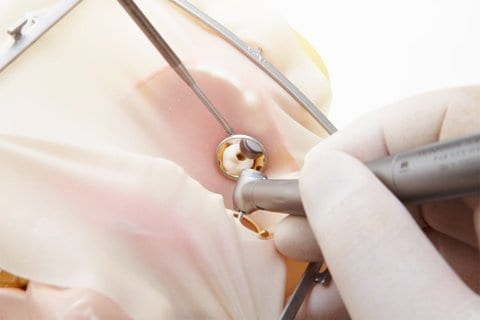
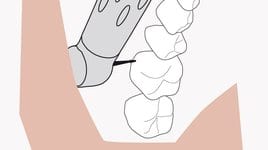
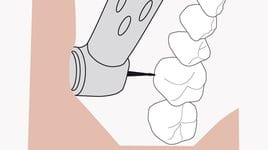
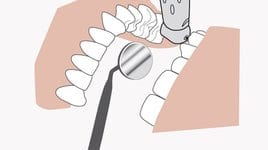
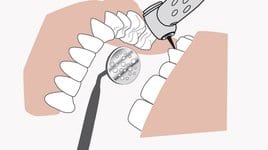
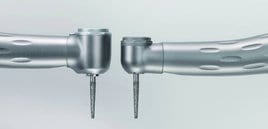
Caries treatment on tooth 46 With the small turbine head you can also work at right-angles to a tooth even in rear areas of the mouth. Because of the small size of the head of the TwinPower Ultra E, labial and buccal gums are no hindrance. A standard head causes labial and buccal pressure on the gum and can result in an unpleasant feeling for the patient. Trepanation on tooth 17 The TwinPower Ultra M makes it possible to work on molars or wisdom teeth without angling the drill and offers the best possible view of the work area – even with patients who can't open their mouths very wide. With a standard head, the drill has to be held at an angle in order to reach the treatment area. This results in more tooth structure being removed than is necessary. In this position, the mirror becomes wet which restricts vision. Comparison of head size Fiberglass light guide TwinPower PAR-4HX-O TwinPower PAR-4HUMX-0 TwinPower PAR-4HUEX-0 TwinPower PAR-4HEX-0-45 TwinPower PAR-4HEX-0 Comfortable even during intensive use Comfortable even during intensive use
Configuration

Models

We offer a variety of models within the TwinPower series. The turbines can be divided into two series which themselves include various models:
  1. TwinPower Turbine
  2. TwinPower Turbine Ultra
Product name TwinPower Turbine TwinPower Turbine Ultra
Image
Power* (watts) 20 - 25 W 18 - 20 W
Speed at 0.2 Mpa 350,000 - 370,000 rpm +/- 30,000 rpm 370,000 rpm +/- 30,000 rpm
Head diameter 10.5 - 12 mm 9 mm
Head height 13.2 mm 10.6 - 12.7 mm
Weight 48 - 59 g 48 - 57 g
Spray nozzles 3 1 to 3
Rotor blades 36 - 40 36 - 40
Air curtain 3 openings 3 to 5 openings
*Output power measured according to the procedure in ISO 14457:2017 Please refer to the Technical Details for further details of all models in the TwinPower Series.

Set

  • 1 Contra-angle turbine
  • 1 Specimen
  • 1 AR-oil spray 400 ml

Technical_details

Specifications

Product name / Type designation TwinPower PAR-4HX-O TwinPower PAR-4HEX-O TwinPower PAR-4HEX-O-45 TwinPower Ultra E PAR-4HUEX-O TwinPower Ultra M PAR-4HUMX-O
Image
Power* (watts) 25 W 22 W 20 W 20 W 18 W
Speed at 0.2 Mpa 350,000 rpm +/- 30,000 rpm 370,000 rpm +/- 30,000 rpm 370,000 rpm +/- 30,000 rpm 370,000 rpm +/- 30,000 rpm 370,000 rpm +/- 30,000 rpm
Head diameter 12 mm 10.5 mm 10.5 mm 9 mm 9 mm
Head height 13.2 mm 13.2 mm 13.2 mm 12.7 mm 10.6 mm
Weight 48 - 57 g 48 - 57 g 53 - 59 g 48 - 57 g 48 - 57 g
Spray nozzles 3 3 3 3 1
Rotor blades 40 36 36 36 40
Light
Air curtain 3 openings 5 openings 5 openings 5 openings 3 openings
Operating pressure 0.20 - 0.29 Mpa 0.20 - 0.29 Mpa 0.20 - 0.29 Mpa 0.20 - 0.29 Mpa 0.20 - 0.29 Mpa
Zero suck-back
Quick stop
*Output power measured according to the procedure in ISO 14457:2017 **Weight varies depending on connection type

Compatibility

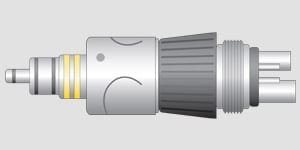
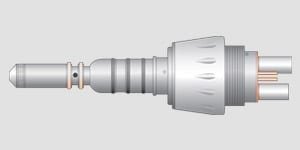
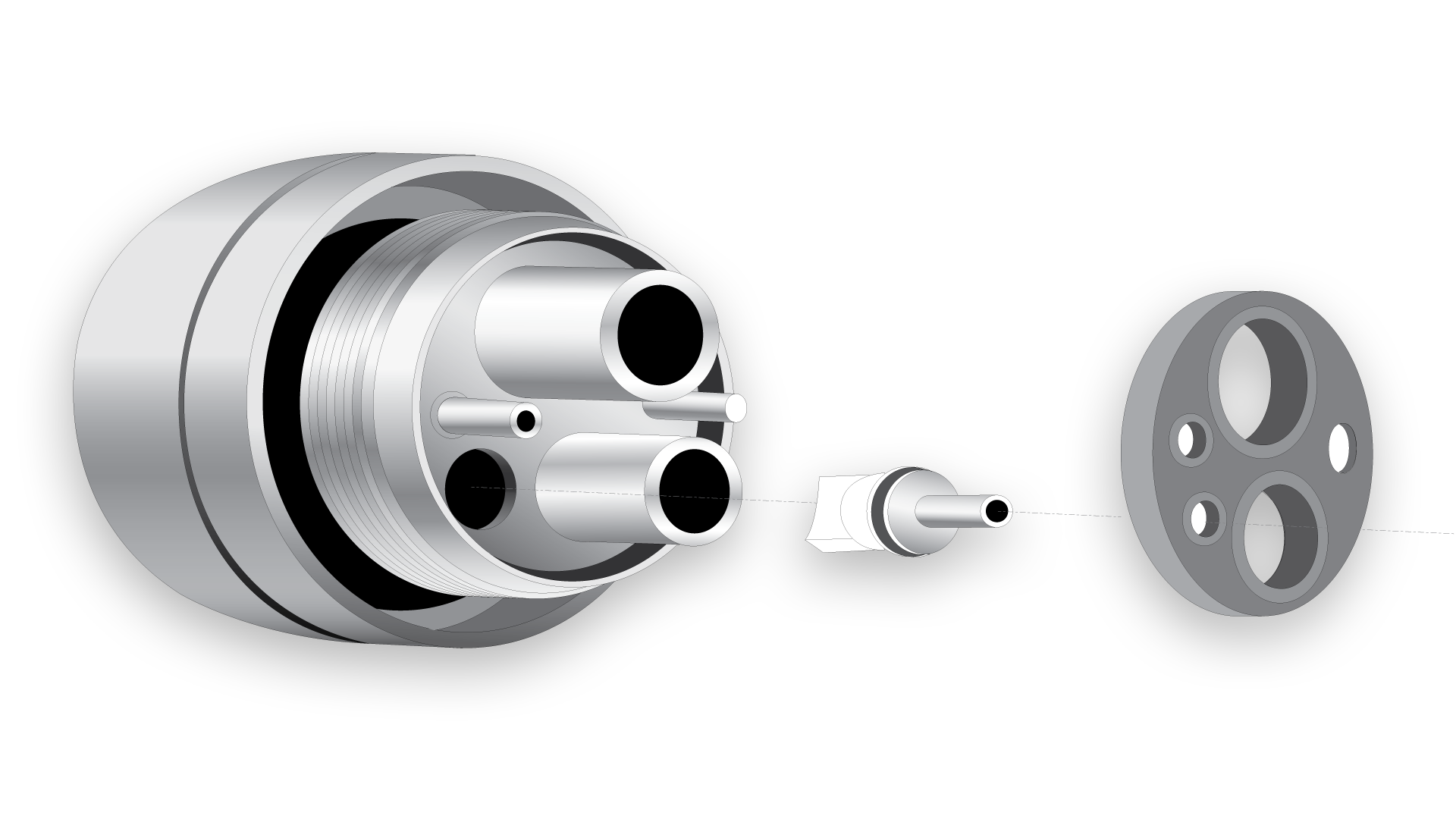
Our TwinPower turbines are compatible with the following coupling systems:
Product name / Type designation TwinPower PAR-4HX-O TwinPower PAR-4HEX-O TwinPower PAR-4HEX-O-45 TwinPower Ultra E PAR-4HUEX-O TwinPower Ultra M PAR-4HUMX-O
Image
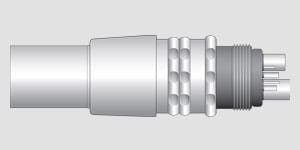
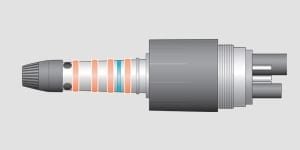
Coupling systems Morita, KaVo, Sirona, W&H, NSK Morita, KaVo, Sirona, W&H, NSK Morita, KaVo Morita, KaVo, Sirona, W&H, NSK Morita, KaVo, Sirona, W&H, NSK

FAQ

Can I also connect the TwinPower to my quick-coupling from KaVo?
Yes. For this, you will need the turbine angle-piece which is provided for the KaVo coupling. Please state that you use a KaVo coupling when placing an order.

Is the TwinPower also available with LED lamp?
Yes.

How long is the warranty period for the turbines?
Your TwinPower turbine has a warranty for two years – unless you have reached a different agreement with your dealer. The purchase date is decisive.

How long is the warranty period for the turbines?
Your TwinPower turbine has a warranty for two years – unless you have reached a different agreement with your dealer. The purchase date is decisive.

What is the difference between the TwinPower Ultra and TwinPower?
The difference between the TwinPower Ultra (Ultra E and Ultra M) and the TwinPower is the size of its head.
In addition, the TwinPower with the type designation PAR-4HX-O has the highest output at 25 W. The Ultra series covers a power range of 18 – 20 W.
Product name TwinPower Turbine TwinPower Turbine Ultra
Image
Power* (watts) 20 - 25 W 18 - 20 W
Speed at 0.2 Mpa     350.000 - 370.000 rpm + - 30.000 rpm     370.000 rpm + - 30.000 rpm
Head diameter 10,5 - 12 mm 9 mm
Head height 13,2 mm 10,6 - 12,7 mm
Weight 48 - 59 g 48 - 57 g
Spray nozzles 3 1 to 3
Rotor blades 36 - 40 36 - 40
Air curtain 3 openings 5 openings
Product name TwinPower Turbine TwinPower Turbine Ultra
Image
Power* (watts) 20 - 25 W 18 - 20 W
Speed at 0.2 Mpa     350.000 - 370.000 rpm + - 30.000 rpm     370.000 rpm + - 30.000 rpm
Head diameter 10,5 - 12 mm 9 mm
Head height 13,2 mm 10,6 - 12,7 mm
Weight 48 - 59 g 48 - 57 g
Spray nozzles 3 1 to 3
Rotor blades 36 - 40 36 - 40
Air curtain 3 openings 5 openings
*Output power measured according to the procedure in ISO 14457:2017

Will my air polisher fit on the Morita coupling?
Yes.

Is there also a TwinPower with 45° head?
Yes, it has the type designation PAR-4HEX-O-45.

What method do I have to use for preparing the turbines?
You can carry out preparation of your turbines either manually or by machine. To do so, please observe our guidelines for your daily hygiene plan.

Can the TwinPower be placed in a thermal disinfector?
Yes. Our TwinPower has the appropriate symbol for this.


How often do I have to oil the turbine contra-angle pieces?
You should oil your TwinPower turbines after 20 minutes use (in total over the day). This maintenance is necessary for the TwinPower turbines because the air pressure blows the ball bearings “dry” during use. Oil your TwinPower regularly and you will be able to use it for a very long time to come.

Why are the turbines so expensive?
The TwinPower turbines are manufactured with a special surface which doesn’t only allow the instruments to look good for longer, it also makes them more resistant to the cleaning and disinfecting processes. In addition, the TwinPower’s drive is generated by double impellers which are made of very fine rotor blades. The intricate production of these rotor blades is very complex.

Why are the turbines so powerful?
This is due to the double impellers that use the air twice enabling them to provide a constant high level of output over a wide speed range. In this way, they are very similar to high-speed motors.

Is it also possible for me to prepare the turbines manually?
Yes, our TwinPower turbines have been verified by an independent survey by Dresden University. You can read a summary of the survey results here.

How many lux has the TwinPower instrument lamp got?
25.000 Lux

Is there also a TwinPower for treating children?
The turbines of the Ultra series are particularly suitable for the treatment of children as well as older patients. Because of the small instrument head, patients no longer have to open their mouth so wide but at the same time you still have a perfect view of the treatment area.

Video Information


The COVID-19 pandemic has awoken a sense of urgency and concern in the dental world. Dental practices and schools are changing the way they operate by enhancing their cross-contamination response. Dental equipment manufacturers are moving quickly to provide their customers with good solutions to help them respond to this new normal. One of those solutions has been to reduce the propagation of aerosols during dental procedures.


Air-driven vs. Electric Motor handpieces


Keep in mind, eliminating aerosols is nearly impossible with the use of air-driven handpieces and electric contra angle motor attachments. In general, contra angle attachments generate fewer aerosols than air-driven handpieces since they do not rely on drive air to run the impeller. Many practitioners like them for their stable and high torque. This may be a good solution to reduce aerosol generation but the costs of converting to electric motor driven attachments are not trivial. Also, one must consider an increase in weight when compared to air-driven handpieces.

What to look for in air-driven handpieces?


Assuming you are not willing to go the electric motor route, choosing the right air-driven handpieces can be challenging. There has been a lot of talk about anti-retraction and anti-suck-back features but little clarification about what they are and how they work.

Retraction, Anti-Retraction valves, and Flushing


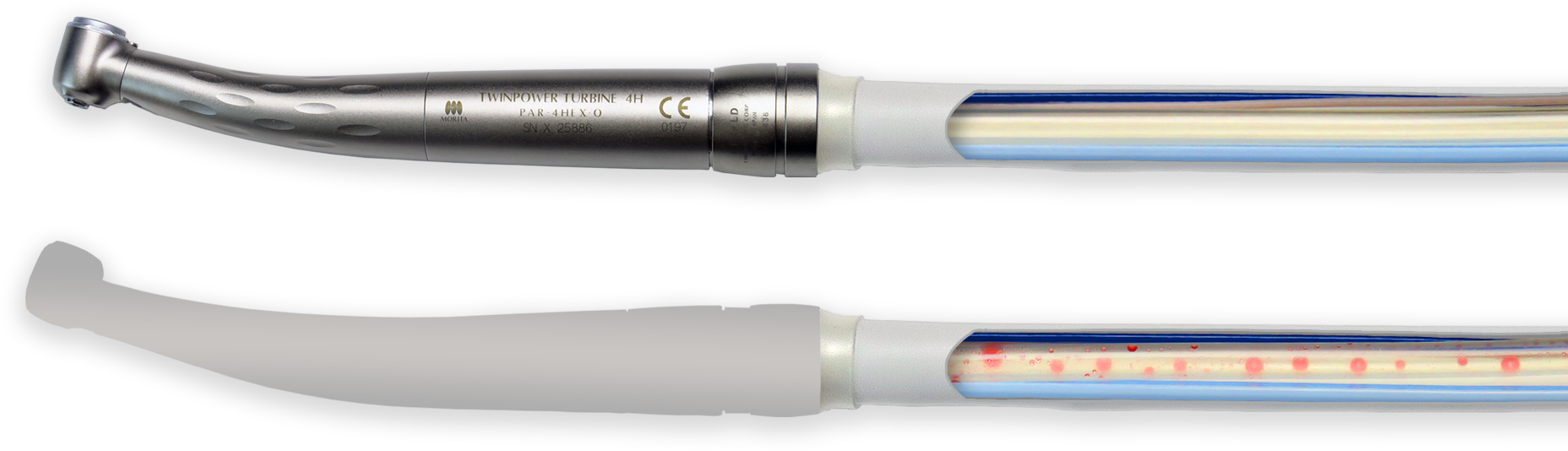
Retraction is essentially related to water being pulled back into the system through the water lines. So, retraction is strictly related to fluids and debris within those fluids. 

Many manufacturers, including Morita, have already solved this problem by introducing anti-retraction valves throughout the system. Essentially, these valves use a duckbill shape which blocks any fluids from getting back into the water lines. These can be present in your treatment unit and even in your handpiece itself. Usually, you will find multiple anti-retraction valves as fail-safes. Most major manufacturers include them within handpieces, couplings, and the treatment unit. This technology has been around for a while and the ISO 7494-2 standard requires your treatment unit to include it.

According to “Transmission routes of 2019-nCoV and controls in dental practice”, “high-speed dental handpieces without anti-retraction valves may aspirate and expel debris and fluids during the dental procedures. More importantly, the microbes, including bacteria and virus, may further contaminate the air and water tubes within the dental unit, and thus can potentially cause cross-infection.”

Should retraction occur, you can still flush and disinfect your waterlines as needed. In summary, we can say that the potential for cross-contamination here is quite low.

Drawback, Quick Stop, and Zero-Drawback


Unlike retraction, drawback is related to the air lines. Aerosols, created during dental treatment, are drawn back into the handpiece, your air lines, and eventually into your treatment unit. When the drive air stops, the turbine continues to spin. This creates negative pressure in the system and begins to draw aerosols back into the system, kind of like a vacuum. This is also known as suck-back.

This effect is cumulative. Each time you activate the drive air, the drawback forces any contaminates further into the handpiece, past the coupling, and eventually into your air lines, and your treatment unit. Keep in mind that you cannot disinfect and flush the air lines of your treatment unit.

Many manufacturers will include a braking system to reduce the spinning motion of the turbine once the drive air stops. Terminology for these types of braking systems may vary but at Morita, we call it Quick Stop.

A Quick Stop braking system can help reduce drawback but not eliminate it. The turbine continues to rotate after the drive air stops and, like any braking system, we cannot force the turbine to stop instantaneously. It takes time and during that time, drawback is a concern. In addition, smaller head sizes create less inertial force which also contributes to reducing stopping times.

Smaller head sizes or quick stop braking mechanisms will help stop the turbine faster and reduce the number of possible contaminants from being drawn back into the system.

Reduction is not enough as the effect is cumulative, and even minor drawback can be enough to contaminate your system.

According to “In vitro study of anti-suck-back ability by themselves on new high-speed air turbine handpieces”, some manufacturers will introduce a labyrinth system to reduce drawback, but these will not eliminate the drawback effect.

Only the Zero-Drawback system was found to eliminate drawback through this study.


Demonstrating Drawback

Many of us in the marketing department felt we knew the feature well but had never seen it in action and felt that it needed to be visualized. So, we joined forces with the R&D department to conduct direct comparisons. The team was inspired by the methodology used by Toshiko OZAWA, Masako NAKANO, Takashi ARAI to conduct the “In vitro study of anti-suck-back ability by themselves on new high-speed air turbine handpieces” study.

For our drawback comparisons, we used a sealed environment. We used a rubber stopper to create an airtight seal at the top of a cylinder so that the only way air can get out is through the handpiece itself. We observed the whole handpiece head and not just the front or back. This was important because drawback can occur anywhere on the handpiece head.

The vacuum, created by the drawback effect, will pull water up through a center tube. The stronger the drawback the higher the water will rise.

As the OZAWA, NAKANO, and ARAI study was conducted in 2010 (results reconfirmed by Quan, Yingjun & Lim, Joong-Yeon & Kim, Kyoung-Nam & Kim, Yang-Soo. (2015)), we wanted to run the comparisons with newer handpieces from top tier manufacturers to see if the claims still held true. The TwinPower Turbine™ was the only handpiece to demonstrate a complete lack of negative pressure. Brand A (in the video above) performed well because of the presence of an effective braking mechanism but still showed slight drawback.

Having seen the efficacy of braking systems on drawback, we wanted to see the differences between braking systems by different manufacturers.

In the video above the TwinPower Turbine™ performed with braking times under 2 seconds. Our Standard head surprised us with a stopping time of approximately 0.55 seconds which is the fastest time we recorded. Brand B in the video uses an effective braking system and was faster to stop than our High Torque. This same brand also performed well in the drawback comparison but could not eliminate it completely. Brands A, C and D had significantly longer stopping times.

Takeaways

From a marketing perspective it was quite interesting to participate in these comparisons. This hands-on experience allowed us to increase our knowledge of different phenomena that could potentially affect dental practices. It was important for us see how our Zero-Drawback feature worked and how it compared with other technologies. We hope that we could shed some light on this important topic and demonstrate our unique approach to solving it.

If you are interested in learning more about the TwinPower Turbine™ and how Zero-Drawback works, please contact your local Morita distributer or representative. They can provide you with further materials, information about Webinars and other events.


References:
Ozawa T, Nakano M, Arai T. In vitro study of anti-suck-back ability by themselves on new high-speed air turbine handpieces. Dent Mater J. 2010;29(6):649-654. doi:10.4012/dmj.2010-008
Peng, X., Xu, X., Li, Y. et al. Transmission routes of 2019-nCoV and controls in dental practice. Int J Oral Sci 12, 9 (2020). https://doi.org/10.1038/s41368-020-0075-9
Quan, Yingjun & Lim, Joong-Yeon & Kim, Kyoung-Nam & Kim, Yang-Soo. (2015). A testing methodology for suck-back behavior of high-speed air-turbine dental handpiece. Korean Journal of Dental Materials. 42. 10.14815/kjdm.2015.42.1.29.